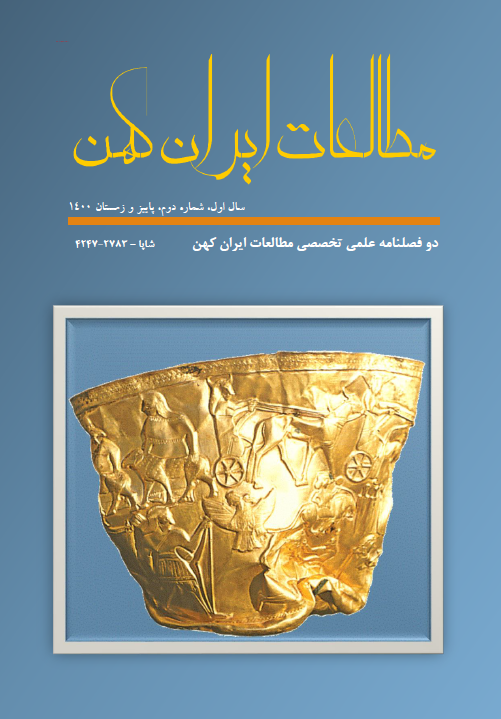
As a part of religious and mythical customs, sacrificing was common among ancient nations and civilizations, and it has undergone some changes over time. The changes created in this religion, due to the motive of the person who makes sacrifices based on his/her own identity, underwent less change, and most of the changes have occurred in the course of practice and the quality of performing the sacrifice. The ritual of sacrifice in Zoroastrian religion in the Sasanian period was held along with special ceremonies and different methods in religious festivities and customs, funeral ceremonies, wars, etc. with the participation of the royal family, people and clergies. Studying the ways of sacrificing animals from Zoroastrians’ view in the Sasanian period is one of the important purposes of this survey; studying these ways provides different concepts from Zoroaster’s attitude toward the victim. This survey is done based on the descriptive-analytical method and the results of the research have been compiled through library studies, the written primary resources and the works of the researchers on Zoroastrian studies. The way of sacrificing the animals in the Sasanian period was in the form of beating the animal’s neck, anesthetizing it and using a sharp knife. Zoroaster disagreed with the excessiveness in making sacrifices and violent behaviors against the animals during the ceremony. However, due to the holiness and oldness, the custom of sacrifice persisted in common beliefs in the Sasanian period, but the methods of performing it have changed over time; so it has been customary in the Zoroastrian society until now.